




Tattoo removal is a topic that has gained popularity in recent years, and with it comes a mix of curiosity and confusion. If you’ve ever considered removing a tattoo or are simply intrigued by the process, this blog will guide you through the science behind it and what you should be aware of during the journey. Let’s dive into the fascinating world of tattoo removal!
Understanding the Basics of Tattoo Ink
Tattoo ink is made up of pigments and carriers, which are designed to last under the skin. But what happens to these pigments when you decide to remove a tattoo? Understanding the composition of tattoo ink is the first step in comprehending the removal process.
The pigments used in tattoo ink can come from various sources, including metals and organic materials. This mixture allows colors to be vibrant and long-lasting, but it also complicates removal. For instance, darker pigments like black and blue are generally easier to break down than lighter shades. This is why many people find that their colorful tattoos take longer to fade than expected.
Additionally, the carrier solutions in tattoo inks help suspend the pigments, ensuring they penetrate the skin properly during the tattooing process. Different tattoo artists may use variations in ink brands and mixtures, which can affect not only the final look but also how the removal process unfolds.
How Tattoo Removal Works: The Science Behind It
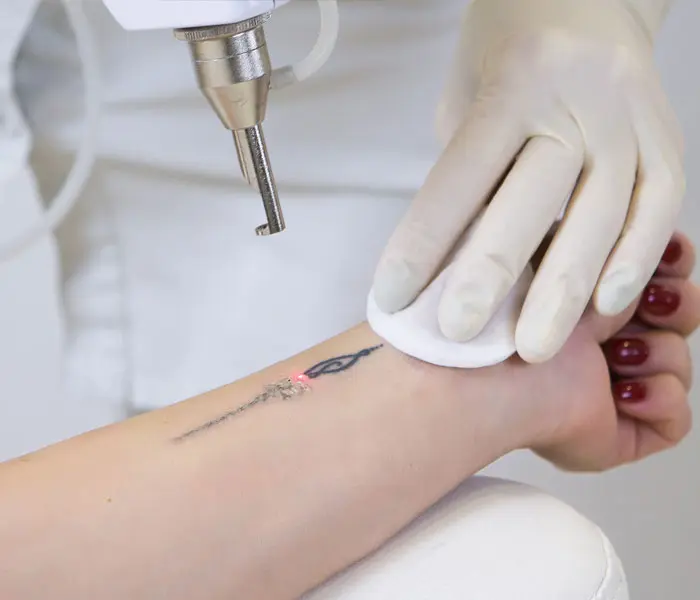
Tattoo removal processes, particularly laser removal, utilize specific wavelengths of light to target and break down ink particles. Knowing how this science works can help demystify the often daunting idea of tattoo removal.
When the laser is applied to the skin, it emits energy that is specifically absorbed by the tattoo ink. This precision means that surrounding skin tissue is largely left unharmed, which is a significant advancement over older removal methods. As the ink absorbs the energy, it breaks down into smaller particles, allowing the body’s immune system to gradually eliminate them over time.
In many cases, multiple sessions are required to achieve significant fading or complete removal of the tattoo. Each treatment allows more ink to be broken down, but it’s essential to space these sessions to give your skin time to heal. The science behind tattoo removal is continually evolving, with new technology promising faster and more effective results.
Different Methods of Tattoo Removal
There are various methods of tattoo removal, including laser treatments, surgical removal, and chemical peels. Each method has its pros and cons, and understanding these can help you choose the best option for your needs.
Laser tattoo removal is currently the most popular method, as it has proven to be the most effective over a variety of ink colors and skin types. However, it’s important to note that this method requires time and, often, financial investment due to the need for multiple sessions. Many people also experience some discomfort during the treatment, but numbing creams can alleviate much of this.
On the other end of the spectrum, surgical removal offers a more immediate solution, as it involves cutting out the tattooed skin. While this method ensures complete removal, it also leaves a scar. Chemical peels, though less common and often less effective, involve applying a solution to lighten the tattoo, making it less desirable for many seeking complete removal.
What to Expect During and After the Removal Process
The tattoo removal process can vary greatly depending on the method chosen. It’s important to have realistic expectations about pain, time, and skin healing that follows the removal. Here, we’ll break down what you should anticipate.
Most individuals report feeling a sensation similar to a rubber band snapping against the skin during laser treatments. While some discomfort is typical, many practitioners offer numbing agents to mitigate pain effectively. Understanding this can help alleviate some anxiety before your first session.
Post-treatment care is equally important. Expect some redness and swelling, which is a natural response from your body. It’s essential to follow your practitioner’s aftercare instructions closely, keeping the area clean and protected. Healing times can vary from person to person, but patience is vital as your body works to naturally remove the ink.
Common Myths About Tattoo Removal Debunked
There are many misconceptions around tattoo removal that can lead to fear and hesitation. In this section, we’ll address common myths and provide factual information to set the record straight.
One pervasive myth is that tattoo removal is almost always painful, which discourages many from considering it. While some discomfort is expected, advancements in technology and the use of numbing agents have made the experience much more tolerable. Understanding this can encourage those who have held back due to fear.
Another myth suggests that tattoo removal is too expensive to justify. However, when you consider the possible emotional and psychological benefits of removing a regrettable tattoo, many find it a worthy investment. Comparing prices among different clinics will also help you find options that fit your budget.
Aftercare: Essential Steps for Successful Tattoo Removal
Proper aftercare is crucial for optimal healing and fading of the tattoo. This section will cover the essential steps you should take post-treatment to ensure the best results and minimize any potential complications.
After your session, keeping the area clean and dry is fundamental. Avoid soaking in pools or hot tubs for at least a couple of weeks, as water can introduce bacteria, leading to infections. Additionally, applying a recommended ointment can help with healing and prevent scabbing.
It’s also important to monitor your skin for changes. If you notice any unusual redness or swelling that doesn’t improve, contact your practitioner immediately. Understanding and following these aftercare steps is essential for achieving the best outcome in your tattoo removal journey.
Choosing the Right Professional for Tattoo Removal
Not all tattoo removal practices are created equal. It’s important to do your research and select a qualified professional who fits your needs. Here’s how you can evaluate your options effectively.
Start by looking for reviews and testimonials from previous clients. A skilled practitioner will often have a portfolio showcasing their work, which can give you insight into their effectiveness. Additionally, don’t hesitate to ask questions about their training, experience, and the technologies they use; a knowledgeable professional will be happy to provide this information.
Consider scheduling consultations with at least a couple of different professionals. This allows you to gauge their approach and see which one you feel most comfortable with. Remember, this is your body, and taking the time to choose wisely can significantly influence the outcome of your tattoo removal process.
Final Thoughts on Tattoo Removal
Understanding the science of tattoo removal can empower you to make informed decisions about your body. Whether you’re looking to lighten a design for a new one or remove it entirely, knowing what to expect can ease the process. Always consult with a qualified professional to discuss your options and ensure the best results. Remember, your skin is a canvas, and there’s no harm in changing the artwork that adorns it.